Ammonium Bromide: A Down-to-Earth Look at a Classic Chemical
Historical Development
Looking back, ammonium bromide’s story stretches into the mid-1800s, a time when chemistry labs brimmed with curiosity and a push for breakthroughs in photography and medicine. Early on, its discovery shaped the silver-based photographic process—clever chemists noticed its reaction with silver nitrate produced light-sensitive silver bromide, making it crucial for new photographic techniques. Over decades, people in labs and factories found more ways to make and put this salt to use. Its role faded some with digital technology's rise, but plenty of industries still count on it. Anyone who’s ever spent late nights reading old chemistry journals or sifting through university archives spots ammonium bromide’s familiar name in many places—medicine, cleaners, and those yellowed photographic prints tucked away in albums.
Product Overview
Ammonium bromide doesn’t look flashy. It comes as colorless crystals or sometimes as a white powder, easy to mistake for sugar at first glance. Chemists tag it as NH4Br, and it dissolves well in water, making it easy to handle in the lab. Many buyers pick it for its reliability, not because it’s fancy or new. Its spot on the shelf among halide salts keeps it in the game, even as newer compounds get more attention from flashy marketing campaigns.
Physical & Chemical Properties
Seeking out the salt’s basic features, one finds it melts near 452°C and carries a high degree of solubility in cold and warm water, about 75g in 100mL at room temperature. The compound breaks down and releases ammonia when heated. Unlike some other bromide salts, ammonium bromide rarely stains or leaves behind odd odors in normal conditions, helping keep it useful for folks tinkering with sensitive products or handling repeated washing processes. Experience has shown that, given its strong ionic bonds, it remains quite stable unless pushed by high temperatures or strong acids.
Technical Specifications & Labeling
Packages often feature straightforward labeling. Expect to see purity levels (often 98% plus), batch numbers, and warnings that address inhalation or ingestion. Nobody should skip over those bright hazard symbols—skimming the label details helps prevent small mistakes turning into big problems. Technical specifications focus on low heavy metal levels, minimal impurities, and chloride content, since those markers matter most in industrial and research settings.
Preparation Method
In practice, labs and factories usually prepare ammonium bromide by reacting ammonia solution with hydrobromic acid. This acid-base reaction ends with a quick crystallization, sometimes followed by drying steps. Some facilities use ammonium carbonate or ammonium hydroxide instead, though hydrobromic acid routes remain most convenient. From firsthand work on small-scale batches, I learned precise temperature control and gentle stirring help prevent unwanted side products and promote larger, easier-to-handle crystals. After washing with cold water to remove traces of acid, drying at low heat finishes the job.
Chemical Reactions & Modifications
Chemists appreciate ammonium bromide for the predictable way it reacts—add a strong base, and ammonia bubbles off, while the bromide ion stays behind. With silver nitrate, a yellowish precipitate marks out silver bromide, a reaction some scientists still demonstrate to students starting out in analytical chemistry. People in organic synthesis sometimes swap halide ions, using ammonium bromide as a source of bromide for making other compounds. Newer research tinkers with modifying it for use in battery electrolytes and specialized flame retardants. Results show that with the right tweaking, existing processes can make space for ammonium bromide even amid a flood of alternatives.
Synonyms & Product Names
On invoices and research papers, one might see ammonium monobromide, sal ammoniacum bromatum, or plain NH4Br. Each label points back to the same core chemical, though buyers should confirm specifications. Trade catalogs sometimes place it under old brand names from the days of film or medical uses, but the chemical remains the same. People poking around in chemical databases can get thrown by odd product codes, but double-checking molecular weights or CAS Numbers helps keep orders straight.
Safety & Operational Standards
Any facility using ammonium bromide pays close attention to workplace safety rules. Inhaling dust or mist can bother respiratory systems, so basic face masks and gloves go far for routine handling. Storage often follows general guidelines for salts that pick up moisture—keep the lid tight, store cool and dry, and don’t stack bags too high where they could tip or leak. Safety data sheets stress the need for good ventilation and immediate washing if spills touch skin. Simple habits—closing containers, regular eye protection, and quick cleanup—keep the workspace running smoothly and avoid having small incidents grow into big headaches.
Application Area
My own dive into chemical supply taught me that ammonium bromide doesn’t limit itself to just one application. The compound remains a staple in photographic processing, where it shapes the sensitivity of emulsions even today for niche film makers. Medical labs count on its calming effects as a mild sedative, though this use has dropped in places following newer drug development. Oil and gas drilling operations mix it in brine fluids for stabilizing wells thanks to its high solubility and predictable ionic performance. Add in dyes, corrosion inhibition, and specialty cleaners, and the reach stretches further than most expect. Despite shifting technology and regulations, the chemical’s unique balance of reactivity and safety cements its continued use.
Research & Development
University labs and chemical companies still dig into ammonium bromide’s properties. Some research explores how it fits in next-generation batteries, looking for safer, non-flammable electrolytes. Other projects test its behavior in new pharmaceuticals, sometimes as a base for molecular design. Teams working on water purification or environmental sensing want to harness its ionic properties for more sensitive detection methods. From my experience writing and editing research reports, few chemicals have held onto both classic and experimental value for so long. The constant churn of new findings keeps the story of ammonium bromide moving forward, inviting more labs to experiment with tweaking its roles.
Toxicity Research
Studies have shown ammonium bromide can cause irritation if mishandled. Swallowing large doses can disturb the nervous system, and repeat exposure sometimes brings on skin rashes or breathing trouble. Animal studies link high doses to thyroid issues and sluggishness, pointing to the need for respect during preparation and cleanup. Decades ago, doctors prescribed bromides more widely, but accumulating evidence about chronic high-level exposure led many countries to dial back medicinal use. Safety reviews published in recent years help underscore practical limits, and every batch shipped these days comes with detailed toxicity profiles to guide end users.
Future Prospects
Looking ahead, ammonium bromide’s future seems tied to the push for greener, safer alternatives in manufacturing and technology. Some researchers explore ways to minimize environmental runoff and improve recycling of bromide wastes. Innovative battery developers see potential for safer, more sustainable energy storage built around ammonium-based electrolytes. Demand in specialty ceramics and next-generation disinfectants could nudge production up as green chemistry standards get stricter. The real promise sits in combining old-fashioned reliability with new breakthroughs, ensuring this classic salt earns more chapters in the stories of science and industry for years to come.
Old Chemistry, New Uses
Ammonium bromide carries a long history in labs and industry. People often picture white powder in a jar, but behind that quiet look lies workhorse qualities. Years ago, I remember seeing glass bottles of it in my university’s photo lab. It kept ready for its role in photography—a day when black-and-white prints still ran fresh through trays. Back then, ammonium bromide stepped up as a key ingredient for making photographic emulsions. It helped form light-sensitive mixes that shaped classic images. Although digital photography has almost swept these darkroom roles away, ammonium bromide still lingers in smaller art studios, and some film artists won’t give it up.
Behind the Scenes in Medicine
Few people know that ammonium bromide’s story runs through medicine, too. Doctors once relied on bromide salts to calm nerves, managing seizures or anxiety before newer drugs came along. The link to over-the-counter remedies faded as the risks of long-term bromide use came into focus. The substance remains on some ingredient lists for research into sedatives or experimental treatments, but always with strict oversight. This careful screening shows how much responsibility rides on every compound used in health.
Lab Standard, Research Constant
Anyone working in analytical chemistry knows ammonium bromide as a steady control in lab routines. It plays a part in preparing reagents for chemical analysis, including spectroscopic tests or preparing other bromide compounds. Its reliable chemical profile means researchers trust it when they need consistency. Running titrations, quality checks, or calibrating instruments becomes easier and more predictable. Safety in chemical handling always comes first. Even if a compound seems plain, repeated exposure—especially if inhaled as dust or in closed rooms—can bring health risks. Proper storage and equipment help keep things safe.
Industrial Processes: More Than a Bit Player
Manufacturers value ammonium bromide for its willingness to help out across projects. Textile factories use it to fix dyes onto fabrics, holding colors in place even after many washes. In fire extinguishing mixtures, the compound helps knock down flames. Some oil drilling operations depend on its bromide chemistry for stabilizing fluids deep underground. Although this chemical isn’t on the tip of everyone’s tongue, its routine tasks keep entire industries moving. Without these supporting roles, some production lines could grind to a halt.
Environmental and Health Considerations
While ammonium bromide proves itself again and again, environmental care needs attention. Discharge of bromide-containing waste into water raises concerns about harmful byproducts—like bromate—which may threaten ecosystems or drinking water. Following regulations and switching to safer waste treatment choices make a big difference. Shifting to new materials, where possible, means less risk over time.
Looking Forward
People in research and industry cannot overlook trace chemicals. Ammonium bromide has woven itself into photography, medicine, and manufacturing. But the lesson always stands: use carries responsibility. Strong science, worker education, and honest sourcing—those keep a useful substance from turning into a headache. Many of the best ideas for greener use come from inside the labs and workshops where ammonium bromide already serves. Listening to these voices pushes everyone forward.
Everyday Encounters and What Science Says
Ammonium bromide sounds mysterious, but it shows up in labs, photography supplies, and chemical syntheses. Folks who don’t spend their days mixing beakers probably don’t think much about it. This compound, like a lot of chemicals, demands respect and caution. The truth is, every substance, from water to bleach, poses risks at certain doses. The question is not just, “Is it hazardous?” but, “How do we use it, store it, and handle it responsibly?”
The Real Hazards: Health and Safety
Health agencies and chemical safety sheets don’t write warnings for fun. When inhaled, ammonium bromide can irritate the nose, throat, and lungs. Swallowing it can upset the stomach and, in higher amounts, cause more serious symptoms like confusion, drowsiness, and in rare cases, nerve issues. Skin contact sometimes leads to rashes or other irritation. Eyes are especially sensitive—exposure triggers redness and pain.
Long-term exposure stands out as a bigger issue. Workers who spend years around ammonium bromide without proper gear sometimes experience sluggishness, headaches, or even mood changes. That’s because bromide ions linger in the body and mess with how nerves talk to each other. Several studies link excessive bromide to neurological symptoms. Health agencies in Europe and the United States cap workplace exposure for a reason. The Environmental Protection Agency lists ammonium bromide, urging against dumping it into waterways. Wildlife doesn’t fare any better, and high levels in water can disrupt aquatic systems.
Understanding the Context: Risk Versus Use
Context shapes risk. Ammonium bromide by itself won’t leap out of a locked cabinet and cause harm. It’s about who handles it and under what conditions. I’ve seen how easily labeling slips can leave cleaning staff confused or how old bottles collect dust on forgotten shelves. In my own experience around labs and workshops, clear, sturdy labeling and fresh safety data sheets help prevent accidental splashes or mix-ups. Good habits make all the difference. Gloves, goggles, and well-ventilated spaces prove their worth each day in chemical work. That’s not paranoia—just basic respect for chemistry.
Bringing Safer Practices to the Forefront
Banning ammonium bromide isn’t realistic, but practical safeguards are. Training for anyone working with chemicals stays non-negotiable. Supervisors need to give regular refreshers, check inventory, and test ventilation. I’ve seen groups that run safety drills spot small problems before they snowball. Labeling isn’t enough; easy-to-read instructions in local languages and strong storage policies save time and trouble.
Companies dealing with ammonium bromide can invest in better waste treatment. Diluting small spills, neutralizing with the right neutralizer, and collecting waste for hazardous disposal protect both people and groundwater. Suppliers often provide safety kits—these don’t belong in the back closet, but within arm’s reach for all staff. Digital reporting helps management catch patterns—spills, near-misses, or broken containers—so improvements actually happen. Even at home, leftover compounds shouldn’t go down the drain. Local hazardous waste collections offer a safer path.
Looking Ahead
People trust that chemicals in common products or workplaces won’t threaten their health. That trust only holds up if users, employers, and regulators stay vigilant. With ammonium bromide and similar compounds, following each step with care is never wasted effort.
Understanding the Risks
Ammonium bromide doesn’t pop up in conversations outside chemical circles, but folks who do work with it know it needs careful handling. Even if it looks like a simple white powder, it takes a short trip through the wrong conditions for ammonium bromide to turn troublesome. Moisture gets into the mix, for example, and it clumps up fast or worse, starts breaking down. That hits the wallet and adds a risk nobody needs in an already hazardous environment. Just keeping things dry makes a huge difference. I remember the first time I walked into a cramped storeroom with broken air conditioning—the bags practically felt like bricks. That batch went straight to waste.
Keeping Things Dry
Dryness is the basic rule, but sometimes “store in a dry place” doesn’t sound urgent enough. Small leaks, condensation, even damp hands can spark changes in ammonium bromide. It pulls moisture out of the air with surprising speed. An airtight container becomes more of a lifesaver than just good advice. Metal bins with a solid seal win out over cheap plastic, especially in places where humidity jumps overnight. Desiccants often work as backup—silica gel packets tossed in with the stash reduce those extra headaches. In my experience, skimping on these simple steps only leads to higher costs and emergency shipments.
Temperature and Light
Heat speeds up any breakdown process, and with ammonium bromide, there’s no point giving it even the smallest boost. Direct sunlight also pushes decomposition, slowly turning a good supply into something unpredictable. Out of sight and out of heat seems simple, but I’ve seen companies lose stock because someone stored barrels next to the window or right above a steam line “just for a weekend.” Slow decay is almost invisible until a batch doesn’t dissolve right or tests come back odd. Racks away from light, in a climate-controlled section, tend to pay for themselves quickly—especially if you keep accurate records and rotate older stock out before it goes bad.
Avoiding Dangerous Mixes
No one wants a storage room to turn into a chemistry experiment. Even though ammonium bromide seems pretty stable on its own, it reacts with strong acids, oxidizers, or bases. Mixing mistakes sometimes happen because chemicals get sorted by size, not by compatibility. I’ve seen labels faded or missing, leading to near-misses that wouldn't make anyone’s highlight reel. Clear labels, good training, and following the segregation rules cut down on those risks. Investing in secondary containment, such as trays or bins that catch leaks or spills, is just smart—especially if your workplace deals with different substances in the same zone.
Packing and Handling
Packaging can't be an afterthought. Thick, sealed bags or strong drums make all the difference. Torn sacks leak dust, which is not only wasteful but can become a breathing hazard. Forklifts and carts transport these packages, but rushing the job means broken bags and, eventually, contamination. Simple steps, like inspecting packaging during every move, help stop the domino effect of minor neglect. I’ve learned that a straightforward checklist for incoming and outgoing stock keeps everyone honest and accidents rare.
Regulations and Training Matter
Rules around safe storage might sound strict, but they come from real-world mishaps. Local laws often require chemical inventory lists, regular inspections, and up-to-date safety data sheets. Having everyone on the team familiar with emergency protocols adds peace of mind on busy days. Ongoing training sessions are worth the effort, not just for supervisors but for warehouse staff too. Good storage for ammonium bromide isn’t rocket science, but it rewards attention to detail and respect for the substance’s quirks.
Understanding Ammonium Bromide’s Formula
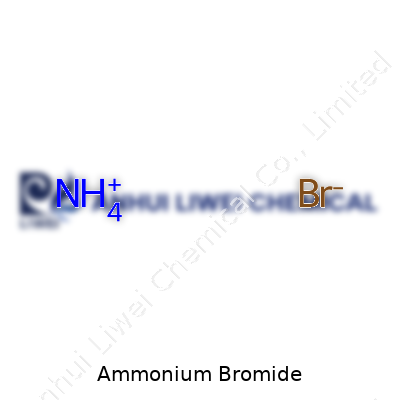
Ask most chemistry students about ammonium bromide, and you’ll hear the answer “NH4Br” without much hesitation. For me, seeing that formula triggers memories of high school labs and the faint whiff of ammonia in a tiled room. The structure hints at how this compound comes together—ammonium ions bonded with bromide ions, each charge balanced. Simple in one sense, but the uses reach further than you might think.
Why Accuracy in Chemistry Matters
Chemical formulas aren’t just academic exercises. Each symbol, each number, tells you what’s inside a container, how to handle a spill, or what could happen if things go sideways. Wrong formula, wrong reaction—sometimes with dangerous results. In the case of ammonium bromide, used in photographic chemicals and fire retardant applications, precise identification keeps people out of trouble.
I recall a lab mishap where a mislabelled container led to a failed experiment and a couple hours of cleanup. The lesson landed hard: details matter. NH4Br may look innocent, but its components can react strongly under the right conditions, especially if mixed or stored incorrectly.
Ammonium Bromide in the Real World
Photographic work used to run on chemicals like ammonium bromide. Even as digital cameras took over, folks who shoot film still talk about mixing up solutions in darkrooms. NH4Br helps with making light-sensitive materials respond just the way photographers want. Not too sensitive, not too slow—right in the sweet spot for capturing an image. The predictability offered by its formula brings confidence to that process.
Beyond film, fire safety leans on ammonium bromide for its effectiveness as a fire retardant. Drop it into textiles or wood treatments, and you slow the ability of flames to spread. Fire marshals and builders pay heed to this, knowing protection starts with chemistry. Statistically, homes treated with bromide-based fire retardants see reduced fire growth compared to untreated materials, according to reports in fire safety engineering journals. Proper use hinges on knowing the exact compound you’re dealing with.
Addressing Handling and Safety
Knowing that ammonium bromide breaks down into ammonia and hydrogen bromide under the wrong conditions encourages respect for safety rules. Toss it on a fire, and you risk releasing gases that call for proper ventilators and trickle-down effects on indoor air quality. The risks aren’t unlike household bleach and ammonia mixing—one of those everyday dangers everyone should know about. Chemistry teachers tell their students that the right formula means the right precautions, and NH4Br gives you the necessary heads-up.
Moving Toward Greater Responsibility
It’s on companies and individuals to handle chemicals like ammonium bromide with care and knowledge. Labels, material safety data sheets, and basic chemical literacy all make a difference. In my experience, training sessions work best when people see the connection between something as dry as a formula and the real stuff in front of them. Schools and workplaces can reinforce understanding by bringing those policies out of the paperwork and into practice—spill drills, clear labeling, straightforward training. Regular reviews of best practices help everyone stay sharp, especially if ammonium bromide stays part of a process or experiment.
Supporting Safe, Informed Use
Ammonium bromide’s chemical formula, NH4Br, may look like a set of letters and numbers on a page. In practice, knowing what that formula stands for—and how it behaves—keeps people safe and work running smoothly. Chemical certainty helps avoid confusion, accidents, and wasted resources. From laboratories to industrial sites to darkrooms, a commitment to accuracy and ongoing education leads to the safest, most effective results.
The Importance of Safety Around Ammonium Bromide
Ammonium bromide doesn’t grab headlines, but anyone who handles chemicals at work or school has probably run across it. What really matters comes down to basic safety and good habits. The risks with this compound aren’t something to brush off—nobody enjoys a surprise rash, or worse. It pays to spend a few minutes thinking through what you’re working with and how it can act around you and your coworkers.
Understanding What Ammonium Bromide Can Do
This white, crystal-like powder looks a lot less intimidating than it is. A few years back in a high school chemistry class, I watched a friend brush dust off his sleeve after prepping a solution. He didn’t realize the importance of gloves, and he ended up with a nasty skin reaction. Ammonium bromide can cause irritation, and like plenty of chemicals, it kicks up fumes in damp conditions. That means your eyes, nose, and lungs all come into play during handling, not just your skin.
Solid Safety Gear—Not Optional
Gloves always matter. Nitrile or rubber works well, and it keeps your hands out of trouble. Safety goggles protect your eyes—one splash and you’ll never ignore the eyewash station again. Lab coats or aprons offer a cheap way to stop powder from getting on your clothes or skin. Anyone dealing with fine powders should reach for a dust mask or a proper respirator, since inhaling particles causes real problems.
Ventilation and Storage Make All the Difference
Let’s talk about air. Good ventilation in your workspace means fumes don’t build up while mixing or dissolving the compound. I’ve seen budget labs run small fans and keep windows open, but a fume hood should be the standard wherever possible. When you’re finished with ammonium bromide, dry, tightly-sealed containers keep it from drawing in moisture and breaking down. Never store it near strong acids, since those can trigger a reaction that sends out toxic hydrogen bromide gas. A little common sense goes a long way—read labels, check seals, and double-check storage rules before you clock out.
Spills and Disposal: What Actually Works
No one plans for spills, yet sooner or later, a container tips or a powder cloud spreads unexpectedly. I learned the value of spill kits after watching a small pile of ammonium bromide scatter across a lab bench. Scoop up the material gently without sweeping it into the air. Damp paper towels pick up the last bits without making new dust. Washing the area with plenty of water removes residue, but don’t let it flow straight into a regular drain unless local guidelines allow it. Local regulations matter—hazardous waste pickups exist for a reason and should be used.
Training and Routine Checks
It’s easy to underestimate the value of preparation and review. A yearly safety refresher or a posted sheet of emergency procedures reminds everyone what steps matter if something goes wrong. Keeping contact numbers for poison control and local emergency services handy gives peace of mind and real protection. These habits don’t just tick boxes—they help people respond faster and more confidently under pressure.
The Real Lesson: Respect and Routine
From classrooms to labs, treating ammonium bromide with respect helps people avoid injuries and health scares. It’s not about paranoia, just about building routines so everyone goes home the same way they arrived. Good habits, clear communication, and a little preparation don’t just protect people—they support a culture where learning and discovery keep moving forward safely.
| Names | |
| Preferred IUPAC name | azanium bromide |
| Other names |
Azanium bromide
Ammonium bromatum Bromide salt of ammonium Hydrobromic acid ammonium salt Ammonium monobromide |
| Pronunciation | /əˈməʊ.ni.əm ˈbrəʊ.maɪd/ |
| Identifiers | |
| CAS Number | 12124-97-9 |
| 3D model (JSmol) | [NH4+].[Br-] |
| ChEBI | CHEBI:85364 |
| ChEMBL | CHEMBL1200654 |
| ChemSpider | 23814 |
| DrugBank | DB06768 |
| ECHA InfoCard | 100.032.025 |
| EC Number | 235-183-8 |
| Gmelin Reference | 101979 |
| KEGG | C20568 |
| MeSH | Bromides |
| PubChem CID | 25519 |
| RTECS number | BO9155000 |
| UNII | 0R5X3Z0V8Q |
| CompTox Dashboard (EPA) | DTXSID9029642 |
| Properties | |
| Chemical formula | NH4Br |
| Molar mass | 97.943 |
| Appearance | white odorless crystals or crystalline powder; colorless when pure |
| Odor | odorless |
| Density | 2.429 g/cm³ |
| Solubility in water | 78.5 g/100 mL (25 °C) |
| Acidity (pKa) | '9.25' |
| Basicity (pKb) | 4.75 |
| Magnetic susceptibility (χ) | -67.0 × 10^-6 cm^3/mol |
| Refractive index (nD) | 1.712 |
| Dipole moment | 0 D |
| Thermochemistry | |
| Std molar entropy (S⦵298) | 113.0 J mol^-1 K^-1 |
| Std enthalpy of formation (ΔfH⦵298) | -270.8 kJ/mol |
| Std enthalpy of combustion (ΔcH⦵298) | -300.8 kJ/mol |
| Pharmacology | |
| ATC code | R05CA01 |
| Hazards | |
| Main hazards | Causes serious eye irritation. May cause respiratory irritation. Harmful if swallowed. |
| GHS labelling | GHS07; Warning; H302, H315, H319, H335; P261, P280, P301+P312, P302+P352, P305+P351+P338, P333+P313, P362+P364, P501 |
| Pictograms | GHS07 |
| Signal word | Warning |
| Hazard statements | Causes skin irritation. Causes serious eye irritation. May cause respiratory irritation. |
| Precautionary statements | P261; P264; P271; P280; P302+P352; P304+P340; P305+P351+P338; P312; P332+P313; P337+P313; P362+P364; P403+P233; P501 |
| NFPA 704 (fire diamond) | 2 0 0 |
| Lethal dose or concentration | LD50 oral rat 2700 mg/kg |
| LD50 (median dose) | 2700 mg/kg |
| NIOSH | No NIOSH REL has been established for Ammonium Bromide. |
| REL (Recommended) | No REL established. |
| IDLH (Immediate danger) | Not established |
| Related compounds | |
| Related compounds |
Ammonium chloride
Ammonium iodide Ammonium fluoride Sodium bromide Potassium bromide Hydrobromic acid |


